



Achilles Tendinopathy
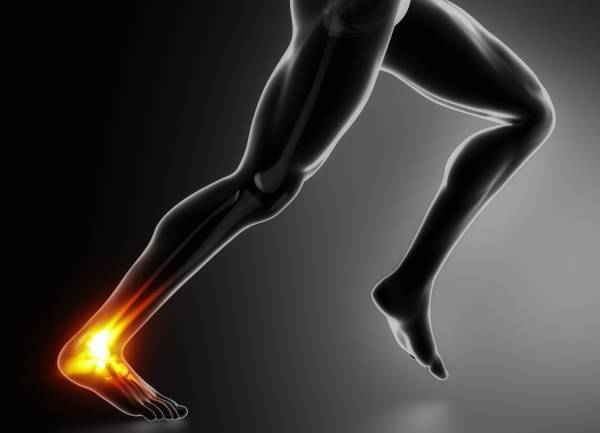
Achilles tendinopathy refers to a condition that affects the Achilles tendon, which is the largest tendon in the human body. The Achilles tendon is a strong band of fibrous tissue that connects the calf muscles to the heel bone (calcaneus). It is responsible for transmitting the force produced by the calf muscles to the foot, enabling activities like walking, running, and jumping. It is characterized by pain, swelling, and impaired function of the Achilles tendon.
There are two main types of Achilles tendinopathy: Achilles tendinitis and Achilles tendinosis:
- Achilles Tendinitis: It refers to the inflammation of the Achilles tendon. It often occurs as an acute condition caused by repetitive strain or overuse of the tendon. This can happen in activities that involve running, jumping, or sudden increases in physical activity. Individuals with Achilles tendonitis typically experience pain and swelling around the back of the ankle, just above the heel. The area may feel tender to touch, and the pain may worsen during physical activity.
- Achilles Tendinosis: It is a chronic condition characterized by degeneration and microtears in the Achilles tendon. Unlike tendonitis, tendinosis is not primarily an inflammatory condition. It typically develops over time as a result of long-term overuse or repetitive stress on the tendon. Individuals with Achilles tendinosis may experience pain, stiffness, and thickening of the tendon. The pain may be more noticeable after periods of inactivity or intense physical activity.
Both Achilles tendinitis and tendinosis can be caused by various factors, including excessive training, improper footwear, tight calf muscles, sudden changes in activity level, poor biomechanics, and age-related degeneration.
Treatment for Achilles tendinopathy typically involves a combination of conservative measures, such as rest, ice, compression, and elevation (RICE), physical therapy exercises to strengthen the tendon and surrounding muscles, stretching and flexibility exercises, orthotic devices or shoe inserts to correct biomechanical issues, and non-steroidal anti-inflammatory drugs (NSAIDs) to alleviate pain and reduce inflammation. In severe cases, when conservative treatments are ineffective, more advanced interventions such as extracorporeal shockwave therapy or surgery may be considered.
It’s important to consult a healthcare professional for an accurate diagnosis and appropriate treatment plan if you suspect you have Achilles tendinopathy. They can provide personalized recommendations based on the severity and specific characteristics of your condition.
Sorry, the comment form is closed at this time.