




Common Sports Injuries
Sports and physical activities are an essential part of many people’s lives, contributing to their physical fitness, mental well-being, and social engagement. However, with the numerous benefits of regular activity, there is also an increased risk of injury. Whether it’s a casual jog in the park, a five-a-side football match, or intense training for a marathon, sports injuries are a common reality for athletes and enthusiasts alike. Understanding the most prevalent injuries, how they occur, and how they can be treated or prevented is crucial to maintaining long-term participation in sports.
Sprains and Strains
Sprains and strains are among the most common injuries that occur during sports activities. A sprain refers to the overstretching or tearing of ligaments, which are the tough bands of tissue that connect bones in a joint. Sprains frequently affect the wrists, ankles, and knees, often caused by sudden movements, twists, or awkward landings during activities like football, tennis, or basketball. A typical example is an ankle sprain, which can happen when the foot rolls inward or outward, leading to ligament damage. Strains, on the other hand, involve muscles or tendons, which are the fibrous cords that attach muscles to bones. A strain occurs when a muscle or tendon is overstretched or torn, often due to excessive force or improper technique. Strains are common in sports that require explosive movements such as sprinting, jumping, or heavy lifting. Hamstring strains, for example, are a frequent injury in running sports and can cause significant discomfort and restricted movement. Both sprains and strains can range from mild to severe, with symptoms including pain, swelling, bruising, and limited range of motion. Treatment usually involves the RICE method—rest, ice, compression, and elevation—alongside anti-inflammatory medications and, in more severe cases, physical therapy to restore strength and flexibility.
Knee Injuries
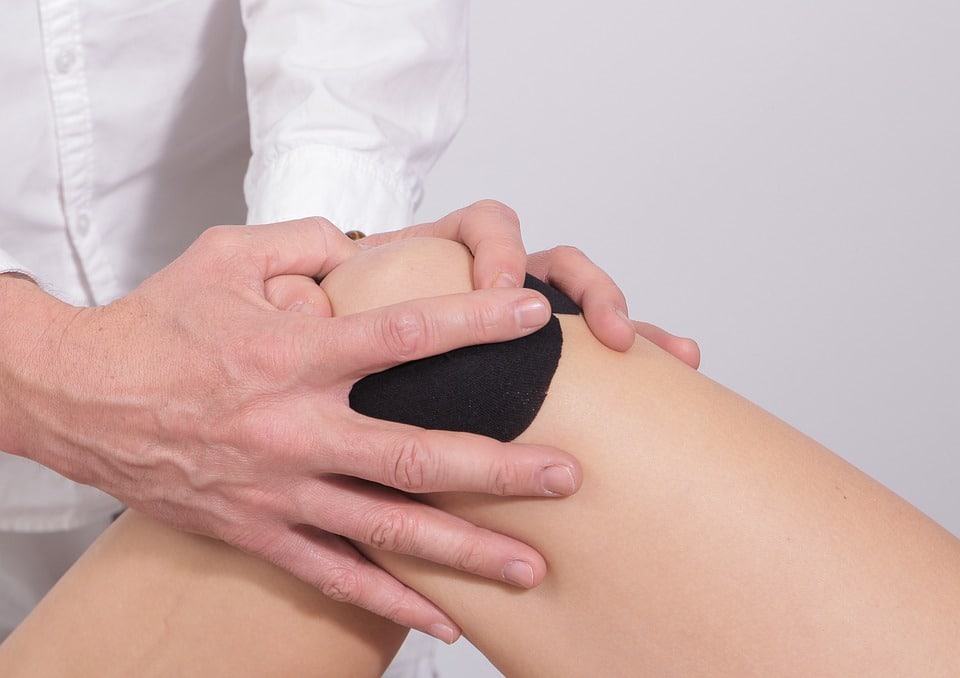
Knee injuries are particularly common in high-impact sports like football, rugby, and skiing. The knee joint is complex, involving several ligaments, tendons, and cartilage, all of which can be vulnerable to damage. One of the most significant knee injuries is damage to the anterior cruciate ligament (ACL), a crucial ligament that stabilises the knee. ACL injuries often occur during activities that involve rapid changes in direction, jumping, or stopping abruptly. When an ACL injury happens, it is typically accompanied by a popping sound and immediate pain, followed by swelling and instability in the knee joint. Other common knee injuries include meniscus tears, which occur when the cartilage in the knee joint is torn, and patellar tendinitis, an overuse injury that affects the tendon connecting the kneecap to the shinbone. These injuries can cause significant pain and difficulty in moving the knee, often requiring medical intervention such as surgery, followed by extensive rehabilitation. Preventing knee injuries often involves strengthening the muscles around the knee, improving flexibility, and using appropriate protective gear such as knee supports or braces. Proper warm-up routines and technique improvements are also essential in reducing the risk of injury.
Shoulder Injuries
The shoulder is another area prone to sports-related injuries due to its wide range of motion and the involvement of various muscles, tendons, and ligaments. Shoulder injuries are common in sports that involve overhead movements, such as swimming, tennis, and weightlifting. One of the most frequent shoulder issues is rotator cuff injury, which occurs when the tendons that stabilise the shoulder joint become inflamed or torn. Other common shoulder injuries include dislocations, where the upper arm bone pops out of the shoulder socket, and shoulder impingement, which happens when the shoulder blade presses on the soft tissues beneath it. These injuries can lead to pain, reduced mobility, and weakness in the shoulder, impacting an athlete’s ability to perform everyday activities as well as sports. Treatment for shoulder injuries often includes rest, ice, and anti-inflammatory medications, followed by exercises to restore strength and flexibility. In more severe cases, surgery may be necessary to repair damaged tissues.
Shin Splints
Shin splints are a common overuse injury, particularly among runners and those involved in sports with repetitive footwork like football, basketball, and dancing. This condition, also known as medial tibial stress syndrome, occurs when there is inflammation of the muscles, tendons, and bone tissue around the shinbone. Shin splints cause a dull, aching pain along the front part of the lower leg, which can worsen during physical activity. The primary causes of shin splints include running on hard surfaces, wearing inappropriate footwear, and suddenly increasing the intensity or duration of exercise. Rest and ice are the first lines of treatment, allowing the inflamed tissues to heal. Athletes are also encouraged to assess their footwear and running technique to prevent further issues, alongside incorporating strength and flexibility exercises to reduce the strain on the lower legs.
Tennis Elbow
Despite its name, tennis elbow is not exclusive to tennis players and can affect anyone who engages in activities that require repetitive arm movements. This condition, also known as lateral epicondylitis, involves inflammation of the tendons that join the forearm muscles to the outside of the elbow. Sports like tennis, badminton, and golf are common culprits, but it can also develop from other repetitive activities such as gardening or typing. Tennis elbow results in pain and tenderness on the outside of the elbow, which can spread to the forearm and wrist. Simple actions like shaking hands or lifting objects can become painful. Treatment typically involves rest, anti-inflammatory medications, and physiotherapy to stretch and strengthen the affected muscles. In severe cases, steroid injections or even surgery may be required.
Conclusion
Sports injuries are an inevitable part of physical activity, but understanding the most common types and how they occur can help athletes and fitness enthusiasts take preventive measures. Whether it’s through proper warm-up routines, strength training, or wearing the right protective gear, reducing the risk of injury should be a top priority. When injuries do occur, early intervention, proper treatment, and rehabilitation are essential to ensuring a full recovery and a safe return to sport. By taking the right precautions and paying attention to their bodies, athletes can enjoy their chosen sports while minimising the impact of common injuries. Contact our team for more great information.
Sorry, the comment form is closed at this time.