



How Physiotherapy Can Help with Scoliosis
Scoliosis is a condition characterised by an abnormal lateral curvature of the spine, which can range from mild to severe.
It often develops during adolescence but can also occur in adults due to degenerative changes, injuries, or other medical conditions.
Left untreated, scoliosis can lead to pain, reduced mobility, and a decrease in overall quality of life.
Physiotherapy is a key component in the management of scoliosis, offering non-invasive and effective strategies tailored to individual needs.
Understanding Scoliosis
Scoliosis can present in several forms, including:
- Idiopathic Scoliosis: The most common type, with no known cause.
- Congenital Scoliosis: Present at birth due to spinal abnormalities.
- Neuromuscular Scoliosis: Associated with conditions like cerebral palsy or muscular dystrophy.
- Degenerative Scoliosis: Often seen in older adults, linked to spinal wear and tear.
Symptoms may include uneven shoulders, an imbalanced waistline, back pain, and in severe cases, respiratory or cardiac issues.
How Physiotherapy Helps
Physiotherapy plays a crucial role in addressing the challenges posed by scoliosis. Here’s how:
1. Individualised Exercise Programs
Physiotherapists design personalised exercise plans to improve posture, strengthen muscles, and enhance spinal alignment. Techniques such as the Schroth Method focus on correcting spinal curvature through targeted exercises and breathing techniques.
2. Pain Management
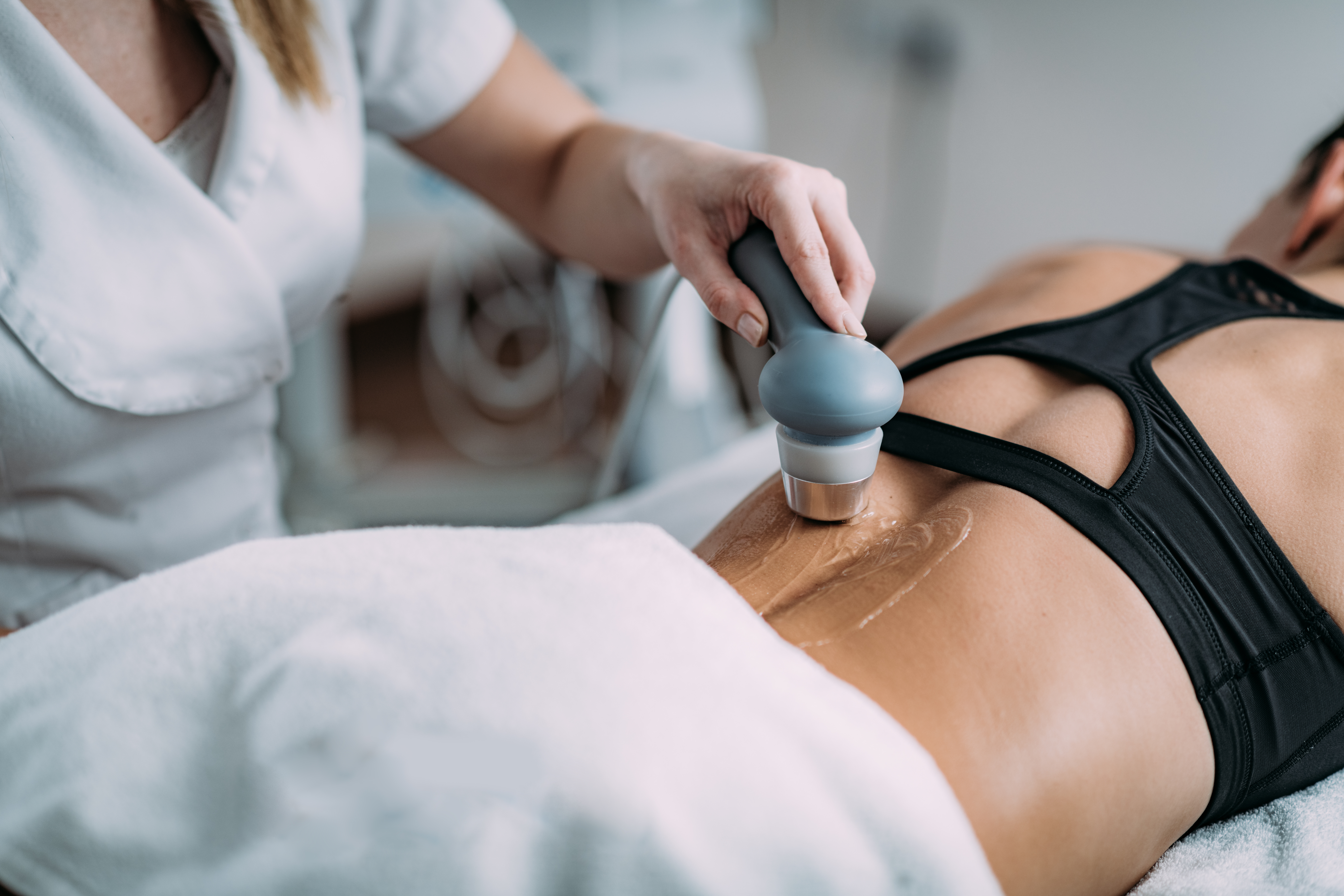
Scoliosis can cause discomfort in the back, neck, or shoulders. Physiotherapists use manual therapy, massage, and modalities like ultrasound or TENS to alleviate pain and reduce muscle tension.
3. Core Strengthening
Building core strength is essential for supporting the spine and reducing the load on the affected areas. Exercises that target the deep stabilising muscles help maintain better spinal alignment and prevent progression of the curve.
4. Postural Training
Improving posture is key for managing scoliosis. Physiotherapists provide guidance on proper body mechanics and ergonomic adjustments for daily activities, promoting better spinal health.
5. Improving Mobility and Flexibility
Stiffness in the spine and surrounding muscles can worsen scoliosis symptoms.
Mobility routines and mobilisation techniques can increase flexibility and range of motion, reducing discomfort and improving function.
6. Bracing Support
For individuals with more pronounced curves, physiotherapists can guide the use of braces in conjunction with exercises to optimize outcomes and ensure proper spinal alignment.
Physiotherapy for Scoliosis: Benefits
- Reduces pain and discomfort.
- Improves overall posture and alignment.
- Enhances core and spinal stability.
- Prevents progression of spinal curvature in some cases.
- Promotes better quality of life by improving mobility and function.
When to Seek Physiotherapy
If you have been diagnosed with scoliosis, early intervention is key. Physiotherapy is beneficial at all stages, whether you are managing a mild curve, dealing with pain, or recovering from surgery. Contact us for more information.
Sorry, the comment form is closed at this time.