
Login
Login



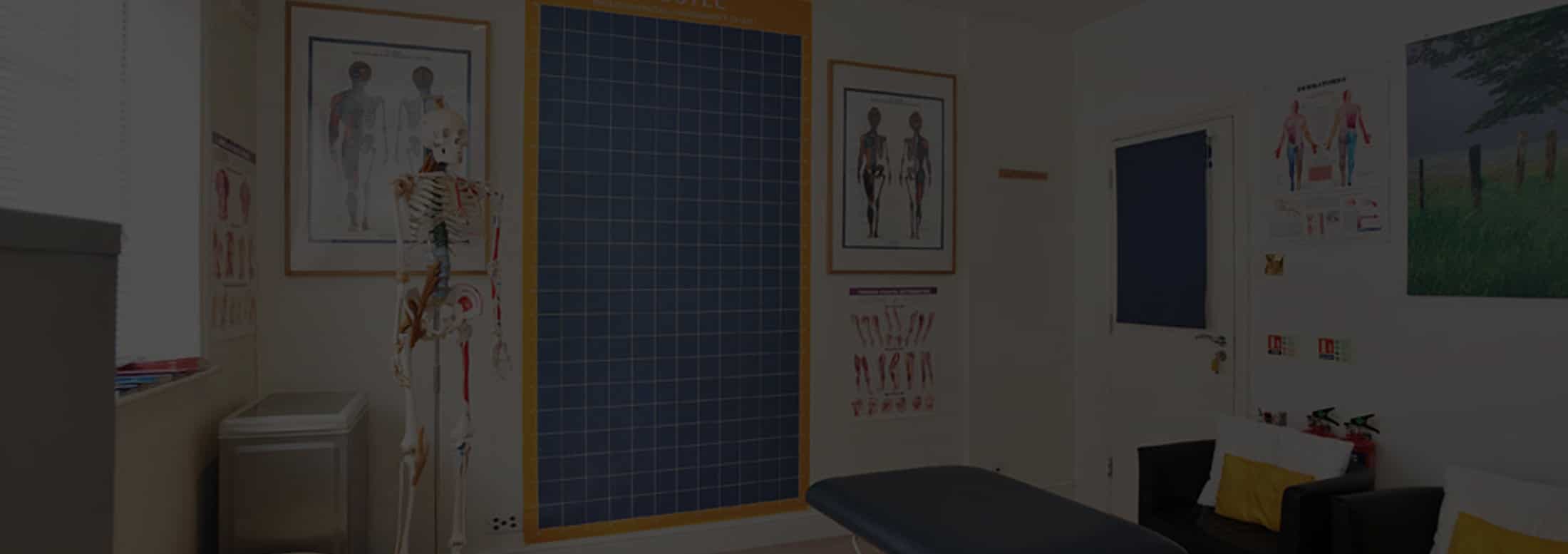
A sports massage is a form of massage that involves the manipulation of soft tissues to help benefit people that participate in regular physical activity. The soft tissue acts as a connecting tissue, such as skin, muscles, tendons and ligaments. Massage relating to sports is designed to assist in correcting and preventing problems and imbalances from occurring, due to strenuous physical activity that is being carried out.
Having a massage carried out before sports can help enhance physical performance and prevent injuries from occurring, and having one carried out after can aid in recovery or prevent injuries from occurring.
Massage in its earliest form of physical therapy was first recorded around 3000 years ago, some form of them was being used in cultures throughout China, India and Greece. In the western world, Per Henrik Ling, developed the form of massage known as Swedish. This form of massage was developed using his own massage style and techniques. Today massage as a form of therapy has developed into many different forms, to cover everything from relaxation to sports injuries and much more. In the UK sports massages seen a huge surge in popularity since the early 1990s and is now commonly used throughout the sporting world.
Many sports therapists offer a range of massages to help reduce aches and pains from training, to treat soft tissue injuries and to encourage blood flow to the muscles. Within the realm of massage there are many different techniques that sports therapists use, including:
Having a massage carried out sports therapist can help to treat a number of conditions, some of the conditions and injuries they can be used to treat include:
These are just a few of the injuries and conditions that a sports type massage can help to treat. As local sports therapist and physiotherapist will be able to provide a full list of the conditions and problems a sports massage can be used to treat.
Professional sports massages are usually carried out by sports therapists. Sports therapists are trained to work specific parts of the body through a range of techniques and therapies, such as massages. Although there are a number of qualifications people can undertake to be able to provide massages for sports related conditions.
The VTCT has launched two new certificates, these are the Level 3 and Level 4 in Sports Massage Therapy and both have been endorsed by the SMA. The level 3 certificate will help learners develop their knowledge and understanding of the theory, underpinning the practice of sports massage therapy, including the functional anatomy and physiology, nutrition, classification of sports injuries and the stages of healing. It will also provide the skills and techniques needed to plan, prepare and apply sports massage methods.
In the Level 4 Diploma, practitioners and therapists currently working in the sports and fitness industry will develop their understanding of advanced anatomical, physiological and pathological principles, relevant to the practice. They will also learn and develop a range of advanced skills and massage techniques.
The SMA is the Sports Massage Association, it was launched in 2002. The SMA aims to establish and maintain the minimum standard for soft tissue training. They also offer guidance to the public and people in the medical profession. With a national register of soft tissue therapists, then can help to establish and maintain the ethical and professional standards that all practitioners and therapists should be following.