



Postural Problems in Hampstead: Why They’re Increasing and What Physiotherapy Can Do
Understanding the Rise of Postural Problems
Postural issues are becoming increasingly common across London, but here in Hampstead we have seen a particularly noticeable rise over recent years. As a community, we pride ourselves on being active, health-conscious, and engaged with wellbeing, yet the pressures of modern life are catching up with many people. More residents are working from home, using digital devices for longer hours, and living with increased daily stress. All of these factors contribute to a steady decline in posture and a growing number of musculoskeletal complaints. At Ergotec Health, we regularly welcome clients from Hampstead who are struggling with discomfort linked to lifestyle changes they never expected to affect them so significantly.
The Hampstead Lifestyle and Its Impact on Posture
Hampstead is known for its beautiful landscapes, village atmosphere, and a population that values both productivity and relaxation. However, it is also home to many people working in demanding industries where long hours at laptops or mobile screens are the norm. Over the past few years, hybrid and remote work have become firmly established, with many local residents now spending far more time at improvised desks, kitchen tables, or sofas. This has made postural problems far more common, and our physiotherapists in Hampstead are seeing a rising pattern of neck stiffness, shoulder tension, and lower back pain. These issues often develop gradually, which means many people do not seek help until the discomfort affects their sleep, mood, or ability to work comfortably.
Technology Overuse and Its Physical Consequences
One of the biggest contributors to postural decline is the sheer amount of time we all spend using technology. Smartphones, tablets, and laptops encourage a forward-leaning position that places strain on the neck and upper back. Over months and years, this can lead to a rounded posture, weakened core muscles, and tightness across the shoulders. Even younger adults who spend large parts of their day connected to screens are beginning to experience symptoms that used to be more common in older age groups. At Ergotec Health, we have noticed a particularly strong increase in clients with “tech neck,” a term used to describe the muscle fatigue and joint pressure caused by consistently looking down at screens. While the problem is widespread across London, Hampstead’s professional culture and high levels of digital engagement mean the issue is especially visible here.
Sedentary Routines and Reduced Daily Movement
Another reason postural problems are increasing in Hampstead is the shift towards a more sedentary lifestyle. Many people who previously commuted daily now spend large portions of their week at home. Without the natural movement that comes from walking to stations, climbing stairs, or travelling across the city, the body loses some of the small but essential activity that keeps muscles functioning well. When daily movement decreases, posture tends to deteriorate as the body becomes less efficient at supporting itself. Sitting for long periods also causes hip flexors to tighten and gluteal muscles to weaken, which leads to an increased arch in the lower back and greater strain on the spine. These imbalances then trigger a chain reaction of discomfort that becomes more noticeable over time.
Stress, Fatigue, and Their Influence on Posture
It may be surprising to many people that stress can be a major contributor to postural problems, but at Ergotec Health we see this connection frequently. When the body is under stress, muscles naturally tense, particularly around the shoulders, jaw, and neck. Over time, this tension alters the way a person stands and moves. Fatigue also plays a role, as the body struggles to maintain an upright, balanced posture when energy levels are low. Residents in Hampstead, like many across London, often juggle busy schedules, pressure at work, and family demands. When stress accumulates, posture suffers. This is why many clients tell us that their pain flares during periods of pressure, even if their workload has not changed. Understanding the emotional and mental component of posture is essential, because long-term improvement requires addressing more than just the physical symptoms.
How Physiotherapy Can Reverse Postural Decline
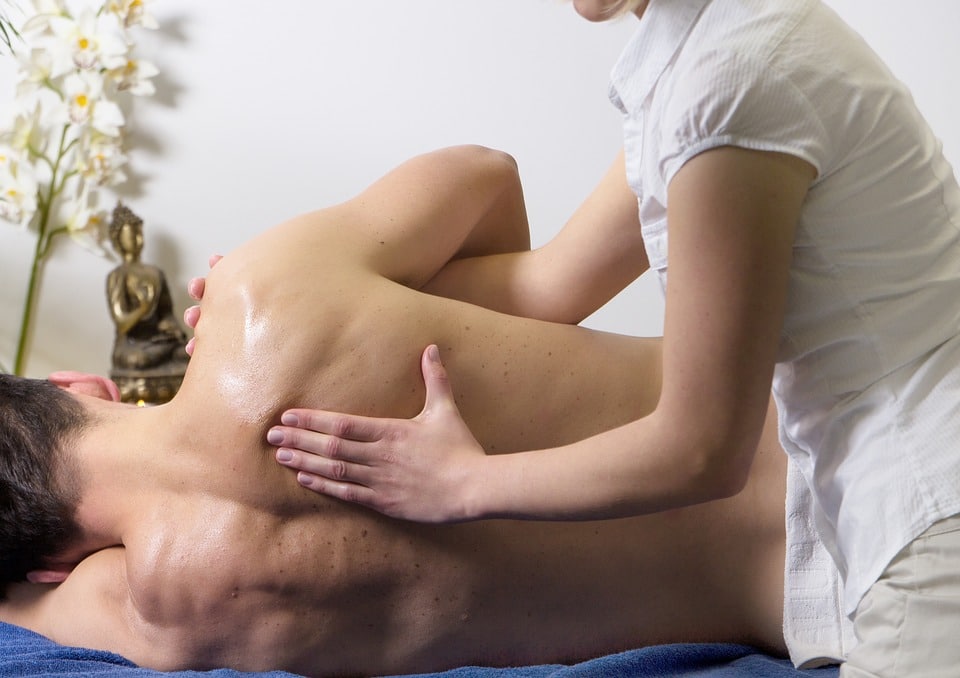
Physiotherapy is one of the most effective ways to address postural problems because it considers the entire body rather than treating isolated symptoms. At Ergotec Health, we begin with a detailed assessment to identify the areas of weakness, tightness, or imbalance that contribute to poor posture. Many people are surprised by what we uncover. They often expect the problem to be centred in one area, such as the shoulders, when in reality the issue may be linked to the spine, the hips, or even the feet. Once we understand the root cause, we create a personalised treatment plan that may include manual therapy, targeted strengthening exercises, and mobility work. Physiotherapy aims not just to relieve pain but to retrain the body so that it naturally adopts a healthier, more sustainable posture throughout the day.
The Role of Habit Change and Body Awareness
Improving posture is not solely about treatment sessions. It also involves increasing awareness of how the body sits, stands, and moves throughout everyday life. Many postural habits are formed unconsciously, especially during long periods of work or stress. Physiotherapy helps clients recognise these patterns and replace them with healthier alternatives. At Ergotec Health, we emphasise the importance of small, manageable habit changes, such as adjusting chair height, setting up a proper home workspace, or taking regular movement breaks. Clients are often surprised by how much difference these simple adjustments can make when combined with targeted therapy. Over time, these new habits help reinforce stronger muscles and more balanced movement, which is key to maintaining improved posture long-term.
Why Hampstead Residents Benefit from Early Intervention
Postural problems rarely improve on their own, and early intervention is always the most effective approach. Residents in Hampstead often lead busy, demanding lifestyles, which means small postural issues can quickly develop into more persistent conditions. Seeking physiotherapy sooner helps prevent the body from adapting to poor movement patterns and reduces the risk of chronic pain. At Ergotec Health, we encourage people to get in touch as soon as they notice stiffness, recurring aches, or fatigue related to sitting or standing. Early treatment not only speeds up recovery but also helps clients understand how to protect their posture in the long run. In a community like Hampstead, where wellbeing is highly valued, taking proactive steps to address postural health can make daily life more comfortable and productive.
Building a Stronger, Healthier Future Through Physiotherapy
Postural problems may be increasing in Hampstead, but with the right support they are entirely manageable. Physiotherapy offers a practical, evidence-based solution that empowers people to take control of their health, improve their movement, and prevent future issues. At Ergotec Health, we are committed to helping each client understand their body, rebuild strength, and return to daily activities with confidence and ease. Better posture is not just about standing tall. It is about reducing strain on the body, improving energy levels, and enhancing overall wellbeing. With regular movement, personalised treatment, and a focus on long-term habits, it is entirely possible to reverse postural decline and enjoy a more comfortable, active lifestyle here in Hampstead. Contact us to find out more.
Sorry, the comment form is closed at this time.