



Pilates: Functional Core Training
What Is Pilates?
Pilates was originally developed by German born Joseph Pilates. He developed his technique while rehabilitating injured soldiers in the first world war, and brought it to the US in the 1920s.
Joe Pilates based his work on three principles: Control of breathing, whole body health, and mental commitment.
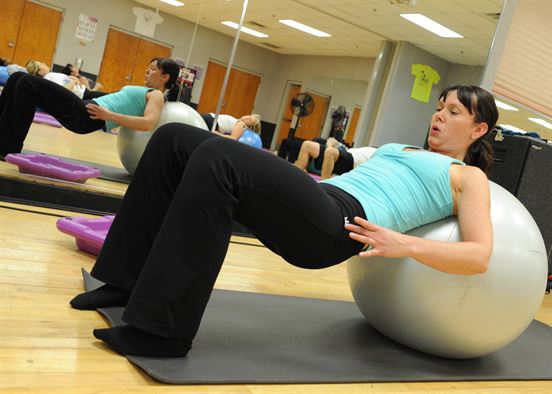
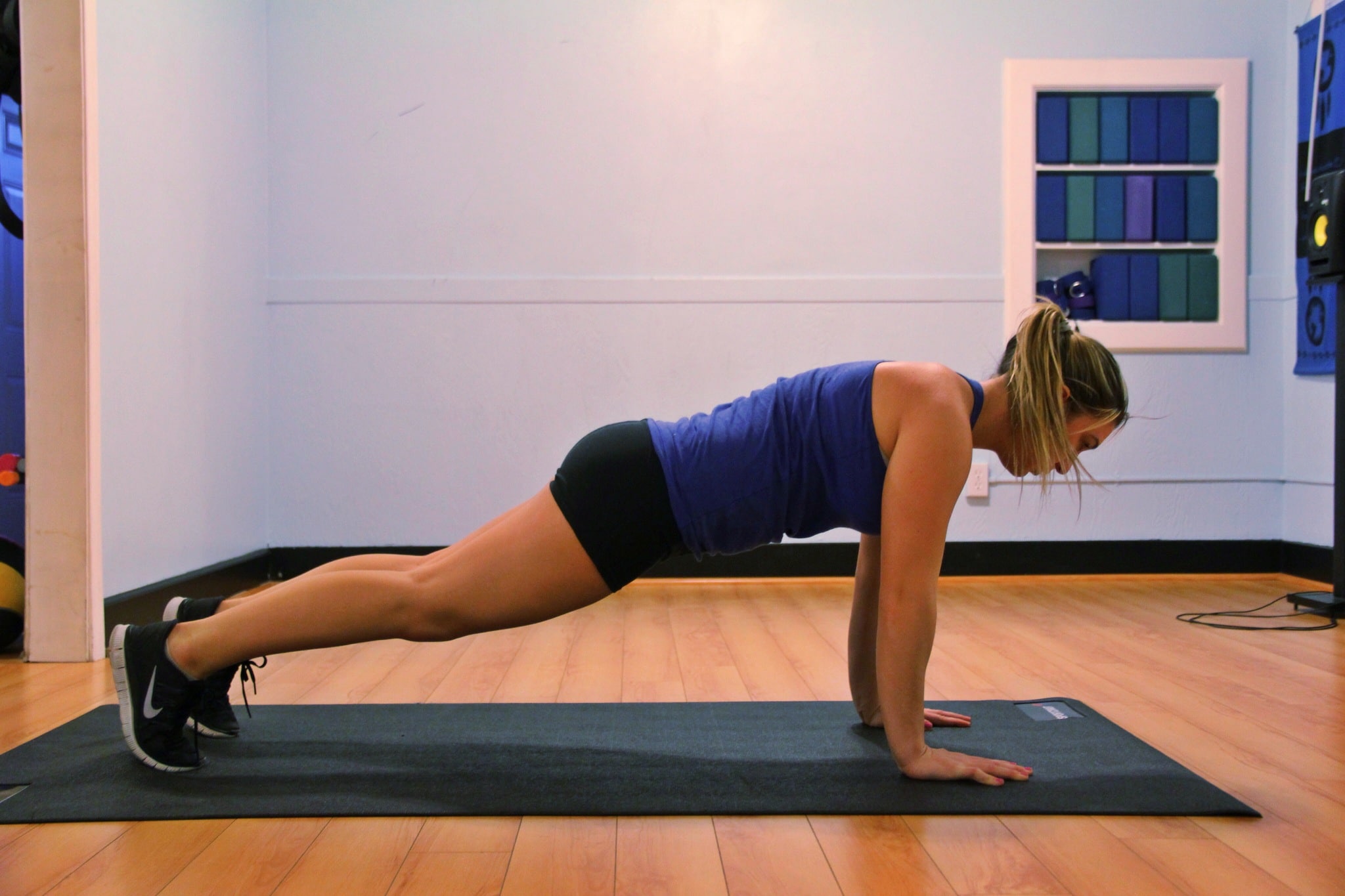
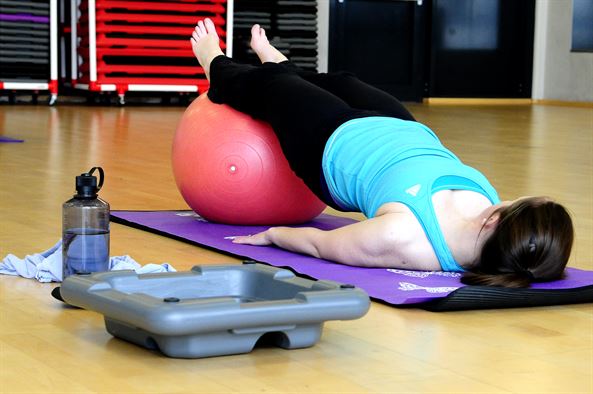
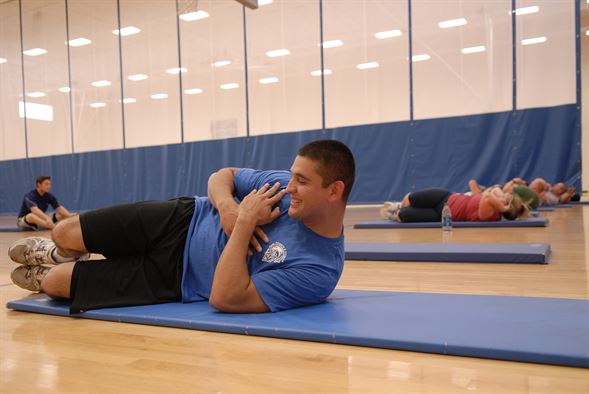
The aim of Pilates is to strengthen the body from the ground up. Building a strong core as a foundation to improve the control and flow of movement. It is usually performed on a mat, and may be expanded into specialised equipment, such as a reformer.
Who Is Pilates For?
Pilates can be beneficial to people of all ages; no matter what their current levels of fitness, health, or capabilities are. The adaptability of Pilates allows it to be complementary to many other forms of exercise/sport. This includes running, weightlifting, football, dancing, etc. It is particularly useful as a rehabilitation tool when returning from injury.
If you suffer from a health condition, it’s always best to consult with your doctor before starting any type of exercise class.
What’s The Difference Between Pilates and Yoga?
Yoga is a group of physical, mental, and spiritual practices or disciplines that originated in ancient India. It differs depending on which discipline is followed, but is usually designed to improve flexibility and static control in different postures.
Both systems look at developing the connection between mental and physical health, as well as emphasising control and flow of movement.
However, Pilates benefits in its structured and uniform approach, with each layer of progression adding complexity and functional relevance. These qualities make it ideal for rehabilitation from injury, which is why the concepts of functional core retraining adapted from Pilates are used extensively for exercise-based research studies.
What Are The Benefits of Functional Core Retraining?
Given the adaptability of this approach, the possibilities for improvement are endless.
Some of the benefits include:
- Improve trunk strength and control
- Improve your balance and reduce falls risk
- Increased joint mobility and flexibility
- Reduce tension & stress relief
- Improve muscle tone and postural tolerance, which means reducing sitting-related pains and aches


How Does Functional Core Training Work?
Imagine a runner suffering a lower back injury that limits their running for several weeks. When they try and get back to running, they find the pain keeps returning, and they feel stiff in their back and hips. An assessment with their rehab therapist or physio shows that they are moving more stiffly in their trunk.
Functional core training lets us break down and isolate the stiff trunk, retrain the function, and then reapply it into their running technique in a graduated process that allows them to return to running pain free.
Is there a risk of injury?
As a low impact exercise, injuries are very uncommon when carried out correctly and under supervision. It’s important when choosing a pilates/core retraining class to find one suited to your level of ability. If you’re already recovering from an injury, or have any health conditions that limit your physical ability, then it’s best to check with your doctor/physiotherapist/rehab therapist before you attend a group class.
Attend A Functional Core Retraining Class
All our rehab therapists at Ergotec are trained in functional core retraining and use it as a key philosophy in our rehab treatments. Whatever your goals are, we can design and help you implement a program to reach them safely and get the most out of your body.
If you’re interested in attending a pilates class, then why not check out what rehabilitative classes we offer. We offer affordable classes with a great range of payment options to choose from. For more information please don’t hesitate to get in touch with Ergotec.
Sorry, the comment form is closed at this time.